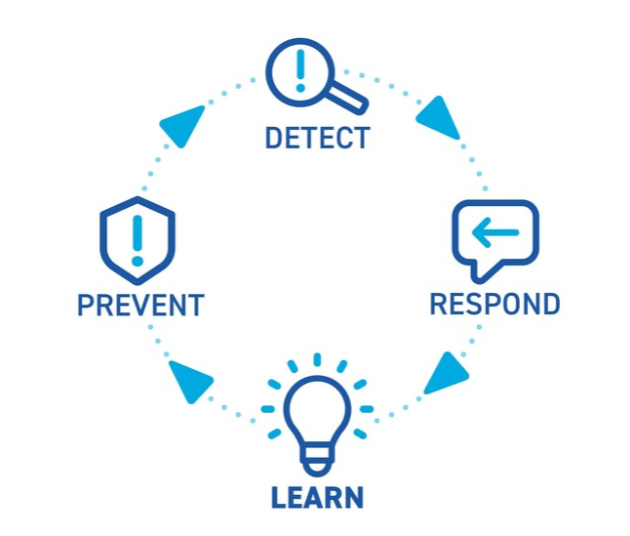
Fraud operations teams spend much of their time responding to incidents, investigating what happened and working to limit the impact. The value of that work, however, can extend well beyond the resolution of an individual incident. Every fraud event presents an opportunity to learn and identify potential changes in controls, processes, employee awareness or customer education that could help prevent the next incident.
A post-incident review creates that opportunity by looking beyond the immediate loss or outcome to understand how the fraud unfolded, what signals were present, where existing defenses worked or failed, and what could have changed the outcome. Consistently classifying those incidents can take these insights a step further, helping teams connect individual events to broader patterns and identify recurring vulnerabilities and tactics. Teams then can translate those insights into stronger prevention resources, detection strategies, frontline guidance and customer education. In other words, post-incident analysis becomes a feedback loop that helps fraud prevention teams continuously learn and adapt.
What is a Post-Incident Review?
A post-incident review is a structured reflection that takes place after a fraud or scam event. It answers these and other questions:
- What happened?
- How did it happen?
- What signals or intervention opportunities existed?
- What was more effective or less effective?
- What should we do differently next time?
Instead of simply documenting a loss once the investigation is concluded, a post incident review can be conducted to learn more. Components of this review may include:
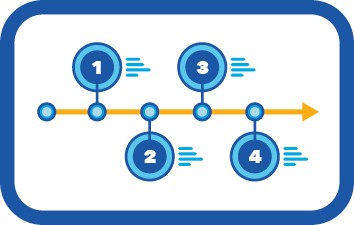
- Event Reconstruction: A clear timeline of what happened, including customer interactions and notable account activity.
- Data Collection: Transaction details, event logs across channels, authentication outcomes and notes from customer service or investigations.
- Root Cause Identification: Underlying reason(s) the fraud event was successful, not just identifying its most visible trigger. Root causes might include unclear customer guidance, outdated rules, training gaps or missing controls.
- Control Assessment: Understanding which controls worked, which didn’t, and what areas criminals exploited.
Organizing Insights into Action: People, Processes and Technology
Most opportunities fall naturally within three categories — people, processes and technology — which helps teams prioritize work without being overwhelmed. Some examples of this analysis could include:

People: What did the incident teach us about…
• Associate training opportunities?
• Customer education needs?
• Opportunities for clearer internal guidance or decision support tools?
Processes: Were there opportunities to prevent this through…
• More consistent or complete steps?
• Clearer definitions of roles across teams?
• Tightening processes (such as authentication)?

Technology: Are there technological shortcomings or barriers, such as…
• Weak signals or data?
• System outages?
• Suspicious activity that was masked or under the radar?
This framework makes post-incident reviews actionable and helps institutions prioritize manageable, high value improvements.
Scenario: Impersonated Authorized Party
A customer contacts his financial institution to report a large transaction on his account that he did not authorize. During the conversation with the customer, the representative at the financial institution sees the transaction was a wire transfer requested via phone. The rep also noticed the customer’s phone number was changed recently on the account. When the customer was asked if he recalled making a request to send a wire, he was adamant it was not him. He also stated he had not changed his phone number. Further investigation reveals an unknown party previously called a branch to change the customer’s phone number and a week later, called again to request a wire transfer. According to the institution’s procedures, wire transfer requests over the phone require a call back to the customer to verify his identity and the confirm the wire transfer request. However, since the phone number was changed, the call went to the unknown party instead of the real customer. The unknown party verified it was a “legitimate” request.
When classified using the FraudClassifier model, the fraud type is determined to be Impersonated Authorized Party. The post-incident review will help the financial institution better understand how the criminal was able to impersonate the account’s authorized party.
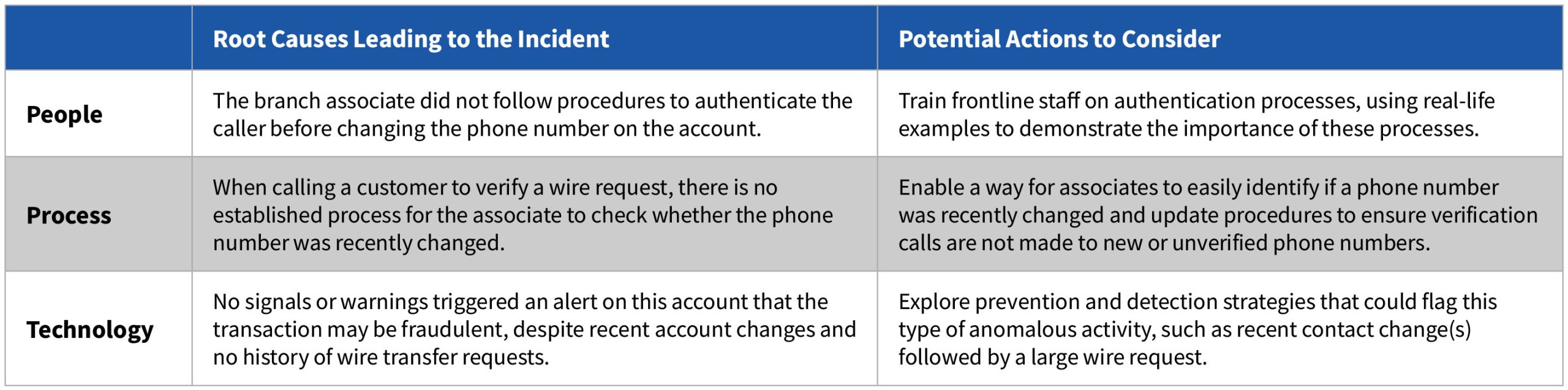
Post-incident review reveals:
| Root Causes Leading to the Incident | Potential Actions to Consider | |
|---|---|---|
| People | The branch associate did not follow procedures to authenticate the caller before changing the phone number on the account. | Train frontline staff on authentication processes, using real-life examples to demonstrate the importance of these processes. |
| Process | When calling a customer to verify a wire request, there is no established process for the associate to check whether the phone number was recently changed. | Enable a way for associates to easily identify if a phone number was recently changed and update procedures to ensure verification calls are not made to new or unverified phone numbers. |
| Technology | No signals or warnings triggered an alert on this account that the transaction may be fraudulent, despite recent account changes and no history of wire transfer requests. | Explore prevention and detection strategies that could flag this type of anomalous activity, such as recent contact change(s) followed by a large wire request. |
Implementing Post-Incident Reviews: Respond, Learn, Prevent, Detect
When institutions consider how to strengthen their response to fraud, post‑incident reviews can help create a feedback loop that supports ongoing learning, prevention and detection. Making these reviews constructive and simple, as well as sharing summaries across teams, can help organizations learn from incidents without adding unnecessary complexity. Tracking a small set of meaningful metrics, such as fraud rates by type, can offer directional insight into whether adjustments are effective, while still recognizing that threats continually evolve and may require new responses. Post‑incident reviews, when paired with clear classification and people, process and technology perspectives, can be a practical, repeatable process for building resilience.