
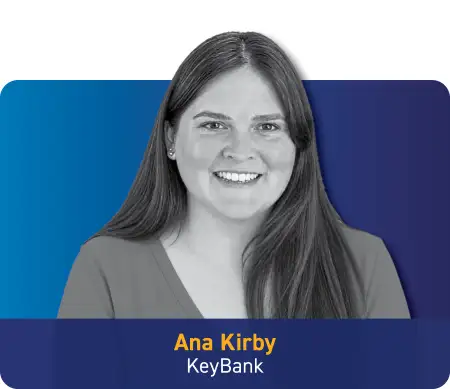
We spoke with Ana Kirby, operations manager on the client protection team, to learn more about her experience with the model and how KeyBank is utilizing it to drive positive changes for its clients and organization.
Here are a few highlights from our conversation.
Q: What led your team to adopt the ScamClassifier model? Can you describe the benefits of classifying scams for your organization?
A: My team researched available information on scams, and we started to understand that scams are a growing issue. As scams have become more sophisticated, we realized that we needed to expand our knowledge of the scam landscape within our institution. Since adding classifications, we are able to see how scams impact our clients and what types of scams they face the most.
Q: What types of benefits or insights have you noticed since using the ScamClassifier model? Are there moments where you thought, ‘This is exactly why we did this?”
A: The reporting; being able to have the classification and see the big picture is one of the biggest benefits. We’re able to take that information and do what we can to get ahead of scams, whether that’s education or materials that we’re giving to clients or our teammates across the organization.
Q: What would you say to other institutions who are thinking about implementing the ScamClassifier? Any guidance that might help them get started?
A: To really fight these complex and sophisticated scams, we have to be educated ourselves and have better programs and products. The first step is taking the initiative to collaborate with teams across your organization and discuss how the classifier can benefit and drive positive change.
Q: As you look to the future, how do you see the ScamClassifier continuing to support your strategy or deepen your understanding of scams across your organization?
A: As we get better at using the classifier and integrating it more seamlessly into our processes, I can see the classifier strengthening our ability to get ahead of scams before our clients are impacted. This can be through increasing detection and identifying trends and perpetuated scams in real-time. We can also use this information to build education that’s relevant to what our clients are facing.