
Summer travel is a chance to create unforgettable experiences. Once school is out, families often head to beaches, mountains, amusement parks or other fun destinations. Choosing the right place to stay is a key part of that planning. Short-term property rentals have become increasingly popular for their affordability and extra space. Unfortunately, the rise in demand also has created opportunities for criminals to exploit travelers through rental scams. Understanding how these scams work and how to recognize the warning signs can help financial institutions protect their customers from financial losses resulting from fraudulent rental listings.
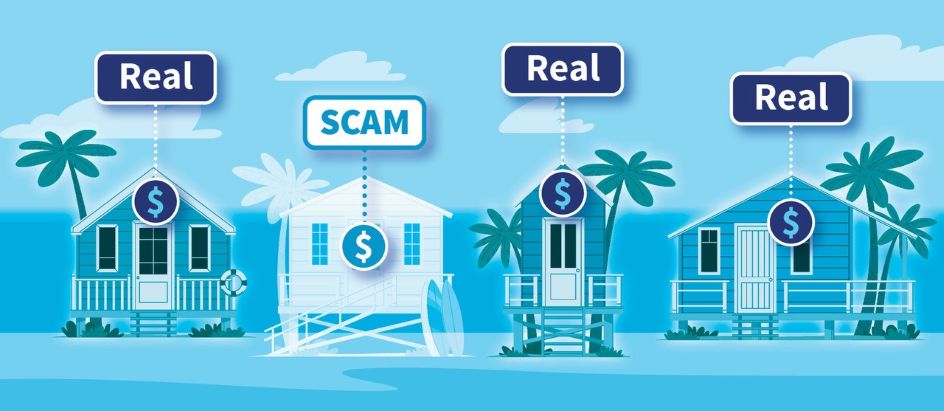
Vacation Rentals and Scam Tactics
Criminals take advantage of the unique dynamics of vacation travel to receive payments for fraudulent rental listings and collect sensitive personal information to commit identity theft. Travelers often book through businesses, rental sites or third-party individuals they don’t know. Unlike long-term rentals, most people cannot visit vacation properties in advance. They rely heavily on online descriptions, photos and virtual tours. Demand for desirable properties also creates urgency, and listings often emphasize limited availability to push travelers to lock in reservations quickly. Legitimate marketing messages, such as “Only one unit left!” or “15 people are viewing this property,” can blur the line between authentic urgency and scam methods. This combination of factors makes travelers more vulnerable to deceptive listings and high-pressure tactics.
To lure potential victims into rental scams, criminals use various schemes to create listings that appear real. These methods may include:
- Copying Real Rental Listings: Criminals often duplicate legitimate listings using the real descriptions, photos, videos and addresses. They simply copy the listing and change the contact information to direct interested travelers to themselves rather than the rightful owner, rental website or property management company. They also may change the property address to avoid detection and make it harder for potential renters to verify the property is legitimate.
- Creating Fake Listings: Criminals may invent a property listing. They can reuse images or descriptions from other listings or generate fake photos and videos using generative artificial intelligence (AI). Some list real properties that are not actually available to rent.
- Building Fake Rental Websites: Criminals also can create realistic-looking but fraudulent rental sites with fake rental listings that are designed to collect payments and personal information. Generative AI often is used to create website content and in some cases, copy well-known rental business logos to make the sites appear legitimate.
Steps to Avoid Property Rental Scams
Financial institutions can promote awareness of scam red flags for their customers. Potential renters should stay alert for common signs of property rental scams, such as:
- Inconsistencies within the listing: Watch for properties that appear on multiple sites with no reviews or conflicting details, rental listings with poorly written descriptions or unusual wording, and photos that look like stock images or were likely AI-generated.
- Atypical requests from the host: Use caution if the host asks to move communication off the official rental platform, uses high-pressure tactics to push immediate payment, demands full payment up front or requires an unusually large security deposit.
- Unusual payment or information requests: Be alert to requests for direct payment where the funds are immediately available, such as using a cryptocurrency platform, instant payment apps or gift cards. Attempts to collect sensitive personal information (e.g. a Social Security number) and bank account details may indicate a scam and potentially lead to identity theft or an account takeover.
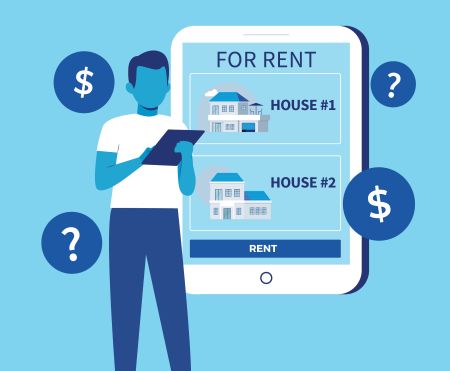

Research and Verify
Travelers can protect themselves by taking precautionary steps:
- Search the property address online to identify duplicate listings containing inconsistent details
- Verify that the owner’s or agent’s contact information matches public records
- Use a reverse image search online to identify reused or stock photos
- Read reviews, complaints and possible scam reports for the property and owner (and be mindful that fake reviews do exist and can appear credible)
- Compare prices and be cautious about listings offering rentals that are far below market rates
Although summer vacation is a busy time for property rentals, these scams can happen throughout the year. Reporting suspicious postings through verified channels can help prevent others from falling victim to these scams.
Conclusion
Summer vacations should be about relaxation and adventure, not financial loss or disappointment. Unfortunately, copied listings, fake rental advertisements and fraudulent websites pose real risks. By recognizing scam tactics and red flags, travelers can protect their money and personal information and enjoy the memorable trips they deserve.
Resources in the Scams Mitigation Toolkit
Criminals often reuse the same tactics seen in property rental scams to deceive potential buyers in property sales by using copied or fabricated listings and fraudulent websites.
More information on scams and scam tactics is available in the Scams Mitigation Toolkit.
For victims or potential victims of property rental scams, or any type of scam, review steps to take to report a scam: What To Do If You Believe You were Scammed: Resources for Scam Victims (PDF).
Stay Connected
Keep informed about the Fed’s efforts to support payment security and mitigate scams by joining the FedPayments Improvement Community.
The scams mitigation toolkit was developed by the Federal Reserve to help educate the industry about scams and outline potential ways to help detect and mitigate this fraud type. Insights for this toolkit were provided through interviews with industry experts, publicly available research, and team member expertise. This toolkit is not intended to result in any regulatory or reporting requirements, imply any liabilities for fraud loss, or confer any legal status, legal definitions, or legal rights or responsibilities. While use of this toolkit throughout the industry is encouraged, utilization of the toolkit is voluntary at the discretion of each individual entity. Absent written consent, this toolkit may not be used in a manner that suggests the Federal Reserve endorses a third-party product or service.