
Teens and young adults increasingly are becoming targets of sophisticated payment scams — often with serious financial consequences. According to the Federal Trade Commission (FTC), individuals ages 29 and under lost nearly $500 million to scams in 2025 (Off-site), a 20% increase since 2021. As scam losses among this group have risen, financial institutions have an opportunity to strengthen education, implement targeted controls and build trust with younger account holders who face unique vulnerabilities.
Criminals are highly adept at tailoring their schemes to the life stages, financial pressures and behavioral patterns of their victims. Understanding the specific factors that contribute to scam susceptibility among teens and young adults is essential to effectively safeguarding this group. This article, part of the series Understanding Scam Risk Across Customer Segments, explores scam risks impacting teens and young adults and what financial institutions can do to help protect them.
Key Factors Driving Scam Susceptibility in Teens and Young Adults

Limited financial experience. Many teens and young adults are opening their first bank accounts, looking for their first apartments, searching for their first jobs, and managing their money independently for the first time. With limited financial experience, they may not yet know what legitimate financial or business interactions typically look like. This can make it harder to spot red flags commonly present in scams, such as feeling pressured to act immediately, being asked to pay for services using an untraceable payment method (e.g., gift cards) or receiving unsolicited messages requesting personal information.
Teens and young adults also may lack familiarity with using checks or with red flags for check fraud, which may expose them to increased risks from check-related scams. A 2024 report from the Better Business Bureau indicated that individuals ages 18-24 were more susceptible than any other age group to fake check/money order scams. This occurs when criminals send fraudulent checks to victims, then instruct them to send the funds electronically to another party before their financial institution realizes the check is fraudulent.
High digital engagement. As digital natives, teens and young adults often spend time interacting on social media platforms, online marketplaces and gaming communities, spaces where criminals can easily blend in. Recent data confirms how risky these environments have become. In 2026, more than 56% of people who encountered a scam online clicked into or responded to it (Off-site), and 21% ultimately lost money or personal information.
Another challenge is that young people may not regularly check their account balances or track their digital spending. With frequent peer to peer payments, food delivery charges, ride share transactions, and multiple digital subscriptions, it can be easy to lose visibility into spending. Criminals may take advantage of this group by creating fake subscription renewal scams, as an example. Encouraging regular account reviews and better awareness of recurring payments can help reduce this risk.
Overconfidence in ability to identify scam risks. Recent surveys (Off-site) have indicated that young adults are among the most confident of any age group about their ability to recognize a scam. However, this does not always translate into consistent verification behavior. According to one survey, over 90% of Generation Z consumers (those born between 1997 and 2012) said they could spot a fake request for personal information online, but under 30% indicated they always verify whether a request for personal information is legitimate (Off-site). Ultimately, this mismatch between perceived ability and actual behavior may leave teens and young adults more vulnerable than they realize.
How Criminals Tailor Common Scams Toward Teens and Young Adults
Online Merchandise Scams. These remain among the most frequently reported scams for ages 29 and under. Criminals mimic digital marketing tactics that young people expect, such as flash sales, limited-edition drops or exclusive deals. They increasingly use influencer-style messaging, fake endorsements and social validation that can make fraudulent offers appear legitimate.


Job / Employment Scams. These scams exploit young people’s desire for flexible work, internships and entry-level employment. Criminals advertise attractive remote positions with high pay, minimal qualifications and immediate hiring. Victims may be instructed to pay upfront fees or purchase starter materials. Some schemes attempt to recruit victims as money mules (Off-site) by asking them to transfer funds on behalf of a supposed employer.
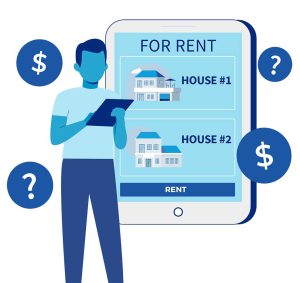
Rental / Housing Scams. College students, recent graduates and young adults seeking affordable housing can face heightened exposure to fraudulent listings. According to the FTC, individuals ages 18-29 were three times more likely than other adults to report a loss due to a rental or housing scam (Off-site) (PDF). Criminals use below-market pricing, “student-friendly” amenities and urgency tied to academic or job timelines to encourage quick payment of fees or deposits. They rely heavily on digital-only processes, such as virtual tours or online leases, making the “offer” convenient and seemingly legitimate.
Equipping Young Account Holders With Effective Scam Education
Standard warnings, such as “you could be scammed,” often are ineffective for teens and young adults, especially if they tend to overestimate their own scam awareness. More effective educational strategies deliver messages about how legitimate institutions behave and time their delivery for when they are likely to be most impactful.
Teaching what ‘normal’ looks like
For young account holders, financial institutions can focus on building instincts about how legitimate employers, businesses and institutions typically behave. Teaching about common red flags can help young account holders more accurately identify suspicious requests. Examples of this type of messaging include:
- Real employers do not require upfront payments or use of your personal account to transfer funds
- Reputable businesses will not ask you for payment in gift cards
- Legitimate investment opportunities do not guarantee returns or pressure immediate action
Timing the delivery of scam education with certain events or milestones
Scam education for all customer groups is most effective when it is delivered at key moments. For teens and young adults, it can be more effective when naturally aligned with financial milestones. These touchpoints create opportunities to reinforce safe behaviors at the exact moments when young customers are forming new habits. These could include:
- Opening their first checking account
- Activating a debit card
- Enabling mobile banking
- Enrolling in person-to-person (P2P) payments
Young account holders also benefit from timely, contextual scam awareness messaging throughout the year. Aligning education with the academic calendar can make it even more impactful. Two examples: sharing information on housing scams in June and July when students are searching for offcampus rentals, and providing guidance on job recruitment scams in the spring when many are applying for summer internships or employment. This timely, targeted approach ensures the right information reaches young consumers when they are most likely to need it.
Implementing risk-based controls for younger account holders
Institutions have opportunities to detect or disrupt scams through additional safeguards, including placing controls on new accounts opened by teens or young adults. These could include:
- Lower transfer limits
- Extra verification for large or unusual transactions
- Optional notifications to parent(s) or trusted contacts
Conclusion
As financial crime evolves, teens and young adults remain a primary target for criminals seeking to exploit their life transitions, digital habits and inexperience. With losses among young consumers rising sharply, financial institutions have a critical role to play. By providing targeted education, implementing thoughtful controls and delivering timely interventions, institutions can help young consumers navigate risks more confidently while building trust and strengthening financial resilience for the next generation.