
Millions of people fall victim to scams each year, suffering both financial losses and emotional harm. Victims often struggle with damaged self-confidence and difficulty trusting themselves and others. While the financial toll is measurable, often forcing people to scramble to replace money needed for basic living expenses, the emotional damage can be equally devastating. Some victims may withdraw from family and friends, overwhelmed by embarrassment, anger, anxiety and shaken confidence. However, there are actions for scam victims to take, such as notifying their financial institution, that may be critical to mitigating the impact of scams and preventing future losses.
Financial institutions serve as an important line of defense for scams, often identifying suspicious transactions that differ from customers’ typical payment patterns. They may also provide recommendations for scam victims to protect their accounts and find additional resources for support. The scenarios below, based on examples shared by financial institutions, illustrate how scam victims have navigated these challenges and found paths forward.
Scam Tactic: Overdue Property Taxes and the Urgency to Pay
Martha received a phone call from someone claiming to represent her mortgage company. The caller insisted her property taxes were severely past due and that she would lose her home without immediate payment. Panicked, Martha wrote down the instructions from the caller:
- Withdraw $12,075 from her bank immediately.
- Tell the bank teller the money is for home repairs.
- Do not mention the overdue taxes to anyone, including bank staff.
- Call the “mortgage company” back at the phone number they provided once she had the cash so they could arrange a pickup at her home.

At her local bank branch, her regular teller noticed something was wrong, as Martha seemed distracted and anxious. The teller attempted to strike up a conversation with Martha, but Martha just kept insisting she’d be fine once she had her money. When the teller asked how she planned to use the money, Martha hesitated and didn’t answer. Concerned that Martha might be ill or caught up in a scam, the teller consulted her manager.
The branch manager gently asked Martha if everything was okay and whether someone was instructing her to withdraw the cash. Martha explained the urgent phone call about her overdue taxes. The manager immediately recognized several red flags:
- Urgency to pay taxes to avoid the loss of her home
- Cash withdrawal requirement rather than payment through established channels
- Secret instructions when legitimate transactions require no deception
- Home pickup arrangement for the cash payment, which no legitimate business or organization would request
The branch manager asked Martha a crucial question: Had she verified the tax delinquency directly with the local tax authority? At that moment, Martha realized she may have been the target of a scam.
Martha agreed to contact the tax office before proceeding. Living on a limited income, a loss of over $12,000 would have significantly impacted her financial security. The branch manager warned that the criminal would likely continue calling and advised her to avoid further contact. The manager also provided information for recognizing scam red flags and reporting scams.
Though grateful for the intervention, Martha felt deeply embarrassed. The branch manager reassured her that millions of people fall victim to scams because criminals use sophisticated deception and manipulation tactics.
When Martha called her adult son to explain what happened, he offered to become more involved in her finances and reminded her she could call him anytime she needed help.
Scam Tactic: Investment Scams and the Lure of Higher Returns
John was worried his retirement savings wouldn’t last through his golden years. With retirement planned within five years, he needed investments with strong returns to meet his financial goals.
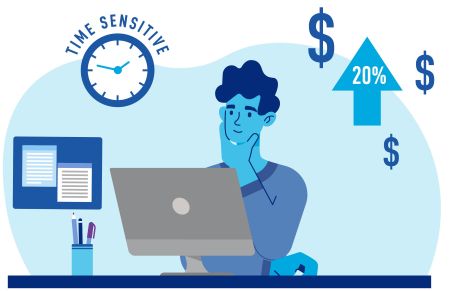
After researching options with well-known financial companies, John encountered what seemed like a better opportunity on social media. Someone claiming to be a financial planner at an established firm advertised a new business investment with over 20% returns. The offer was time-sensitive — only initial investors could access this rate. The investment was described as virtually risk-free due to pending contracts with major corporations.
Believing this investment would secure his retirement, John authorized a $10,000 payment from his bank account to the investment company. He watched his account balance grow online by over 20% as promised. John invested an additional $50,000 and was happy to see his investment increase each month.
After several months of closely tracking his investment, John was suddenly unable to access the investment website. He received an error message — the link was no longer valid. Searching online, he discovered a news article revealing the entire operation was a scam with hundreds of potential victims. The article urged victims to contact local law enforcement.
John filed a police report and reported the scam to the Internet Crime Complaint Center (IC3) (Off-site) and the Federal Trade Commission (FTC) (Off-site). He contacted his bank about the fraudulent payments but held little hope of recovery. Soon after, he received an email from a company claiming they could recover most of his money for a $5,000 upfront fee. Having learned about retargeting tactics used on scam victims, John immediately recognized this as another scam.
The investment scam cost John $60,000. In hindsight, he realized he had never independently verified the investment’s legitimacy. He had been deceived by the financial planner’s professional online profile and the legitimate company names referenced in the offer.
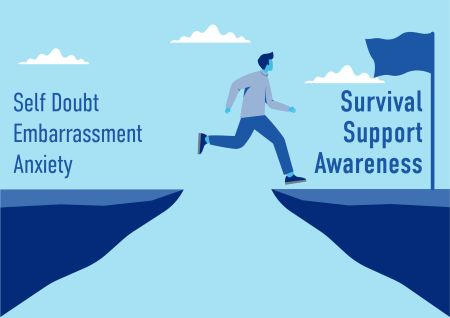
The financial loss derailed John’s retirement plans. He also struggled with feelings of insecurity, anxiety and embarrassment. After a month, he shared his experience with family and friends and was surprised by their support. Talking with others in his community who had also lost money to scams encouraged him — he wasn’t alone, and his experience wasn’t unique. Confident he could learn from the experience and move forward, John decided to share his story publicly to raise awareness and potentially prevent others from becoming victims.
Seek Support and Leave Blame Behind
These scenarios represent victims who successfully moved past the financial and emotional impacts of scams. However, for many people, scams create significant hardships that affect their quality of life and living conditions. Tough financial decisions often become necessary to recover from such losses.
For scam victims, the path to overcoming the impact of a scam varies for each person. Leaning on family and friends for support and avoiding self-blame can be an important step. Many people never disclose or report that they were scammed, while others find purpose in sharing their survivor stories to help others avoid similar scams.
Leveraging the available support and information provided by financial institutions and other organizations can help scam victims work through the impacts and protect themselves from future fraud.
Take the Next Step
The Federal Reserve provides the payments industry with educational resources to help financial institutions combat payments fraud through stronger identification and prevention.
- Visit our Scams Mitigation Toolkit for more information on how to identify and prevent other types of scams.
- Learn how the ScamClassifierSM model can provide your organization with consistent and detailed classification and identification of scams and related trends – helping promote accuracy of scam reporting, detection and mitigation.
Check out these resources for more information about the scenarios explored in this article: